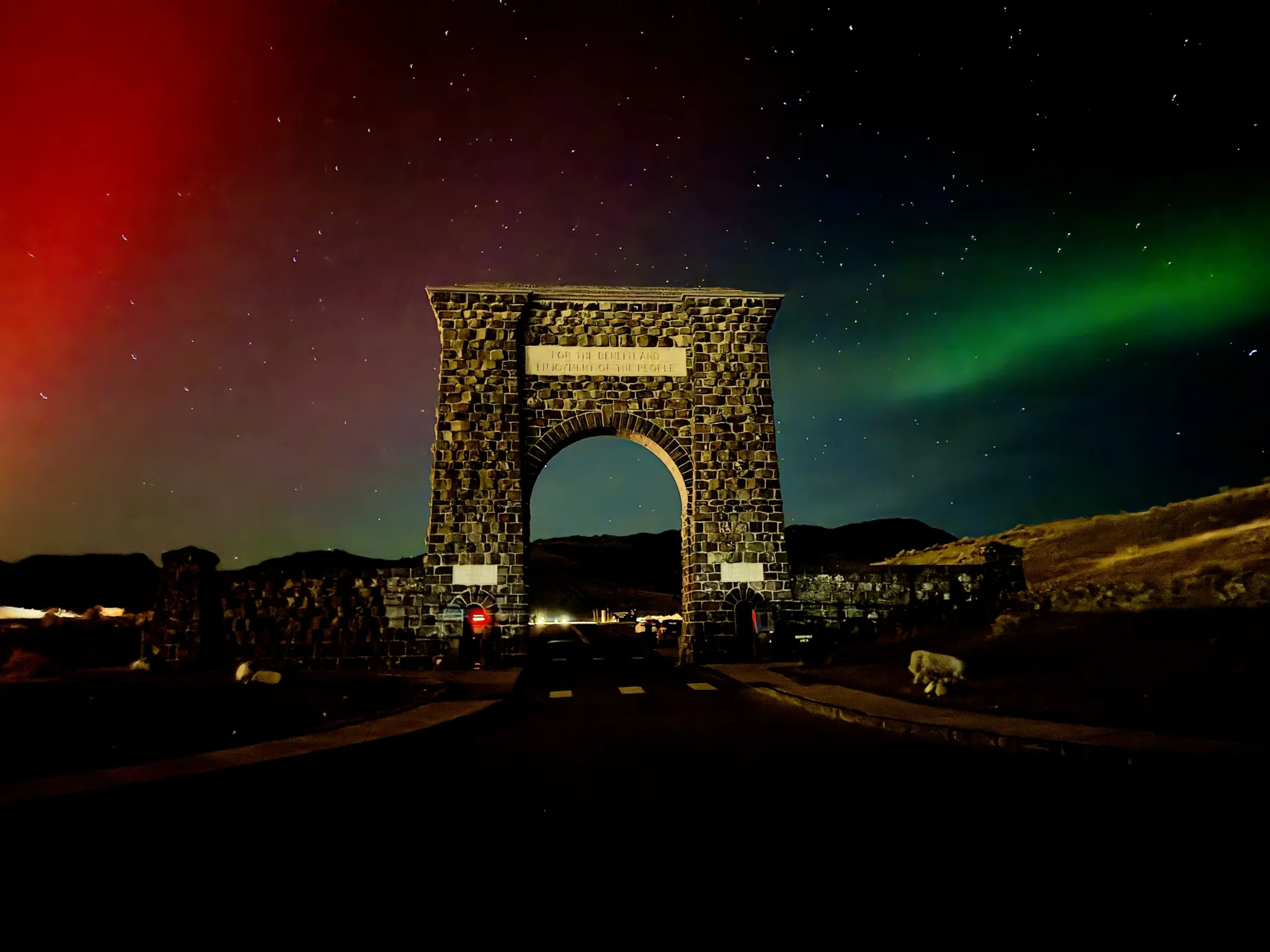
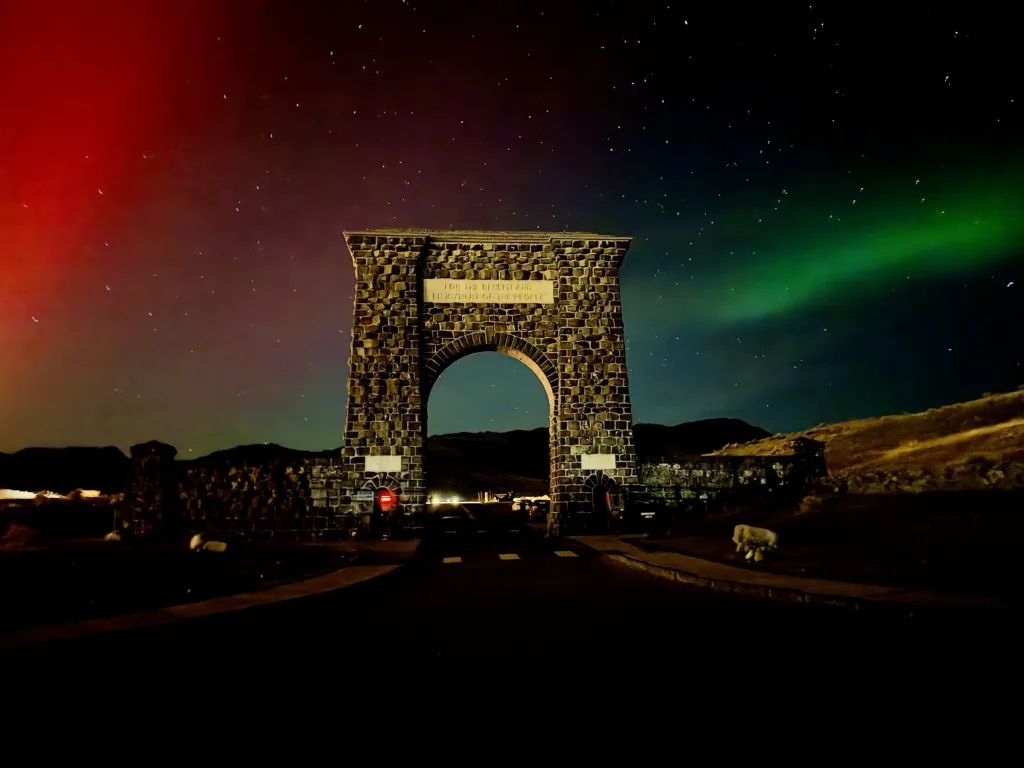
Last Sunday, 1 March, was the anniversary of President US Grant’s signing of the Yellowstone National Park Protection Act, creating the world’s first national park and protecting what would become the core of the Greater Yellowstone Ecosystem, the largest intact ecosystem remaining in the lower 48. And today, 3 March, is World Wildlife Day! Those two celebrations dovetail nicely.
We in the environmental justice world spent years trying to simplify the problem and solutions with words like “habitat” and “conservation”. Nice, friendly words that wouldn’t offend anyone, and everyone could understand. After the Santa Barbara Oil Spill, Lake Erie dying and a couple of rivers catching fire, enough indignation and public sentiment welled up that Earth Day was launched to help call attention to the problems facing our global environment and our only life support system. Lots of curricula like “Project Learning Tree” were created and launched to increase environmental awareness in school kids, and in rapid succession, America’s “Bedrock” environmental laws were written and passed. Between 1970 and 1976, the Clean Air Act (CAA), Clean Water Act (CWA), Endangered Species Act (ESA), Resource Conservation and Recovery Act (RCRA), and the National Environmental Policy Act (NEPA) were passed. I started college in 1978 at Indiana University, and one of my professors and mentors was Lynton K. Caldwell, trout fisherman, professor in the School of Public and Environmental Affairs, and the principal author of NEPA.
We were so naive back then, thinking that we were going to “fix things” and save our planet from pollution, over-development, over-population, and all of the other ills our parents had been too busy fighting Nazis to work on. However, the problems with our planet didn’t all (or even mostly) come from ignorance and benign neglect. There were plenty of interests who were perfectly happy rapping and pillaging our planet’s natural resources and throwing their garbage into the nearest ditch, river, or ocean if there was enough profit to be had. These special interests had, of course, been behind the very crises that had finally gotten Americans to get their duffs off the sofa and show up to demand change in the hallways and hearing rooms of our government. The industries and individuals responsible for the problems were there first, and were the money behind many of those politicians we thought were looking out for the American public’s interests.
Industry brought on public relations teams, made lots of speeches, and created pretty ad campaigns highlighting their commitment to the environment and public health. Where they were forced to make changes, they did, if the downside warranted doing so. But, there was always a committed core of capitalists who really wanted to tell the public and particularly environmentalists to fuck off and die. We were eating into their bottom line. How would they ever be able to afford buy islands where they could abuse children in secret, super yachts, space ships, and serial trophy wives?
But these corporations and families had the money to make real change and they knew how to play the long game when they had no alternative. They would organize with like-minded capitalists, figure out how to sow division and misinformation in the public, buy better lawyers and more politicians, and a nice selection of judges and justices. They waited for their opportunity while working tirelessly to create a tipping point. And finally, here we are. Environmental legislation is being gutted, we’re concerned about having adequate supplies of water, for fucks sake. The most basic requirement for life. Wild paradises are being subdivided, disrupting fragile ecological forces throughout the world, and perhaps nowhere more than here in the mountain west.
The Eagles warned us. “Call someplace paradise and kiss it goodbye.” Eventually, people will figure out more and better ways to monetize scarce resources like clean air, clean water, isolation, beautiful vistas, and abundant native species. Those things are branded “amenity resources,” and prices are assigned to them. Those of us who need wild places and wild things as much as we need air and water see this going on, and we scream that these profiteers are killing the goose that laid the golden eggs. But, if you remember the parable, it was someones greed that killed the goose when they cut it open looking for the source of the gold, which, of course, was one very special goose. We are dealing today with people who honestly don’t care what they have to kill to make more money for themselves, fuck the ecology of the place, this is business, and business must grow.
On the Anniversary of Yellowstone’s protection and World Wildlife Day we give thanks for all that we still have. But please take a moment to feel a little outrage that, globally, over 70% of wild vertebrate populations (mammals, fish, birds, reptiles, and amphibians) and 50% of insects have disappeared since 1970. Only 2% to 3% of the Earth’s land surface remains ecologically intact and free of significant human impact. A 2018 paper published in the journal, “Ecosphere” titled, Trends in vital signs for Greater Yellowstone: application of a Wildland Health Index by Montana State researchers Andrew J. Hansen, Linda Phillips, found that while the core national parks remain protected, surrounding private lands have seen a doubling of the human population and tripling of housing density, with human development now covering an estimated 31% of the Greater Yellowstone Ecosystem. Hansen noted, Rural homes more or less ring the public land on all sides of the park. It’s rather stunning to me to look at a map of all the homes that now surround the park.
So, while we love and celebrate the wild earth that we know, recognize that it’s just a tiny little museum exhibit. A relic of what was once a literal planetary Eden. We don’t, incidentally, have to accept this as inevitable, the price of progress, or irreversible. The Earth’s systems are enormously resilient and, if given the opportunity, can heal. We can help the Earth heal as doctors, nurses, and patient advocates. We can fight the special interests who are so happy to destroy our shared world for more profit, and not give them any quarter. We can remove the lesions afflicting the Earth and heal them through ecological restoration or, “rewinding”. We can learn to understand what the symptoms of sickness and health look like in ecosystems at all scales and be as committed to caring for the Earth as we are to caring for our families.
Because my friends, the Earth is our Mother, we are related to all of her other species. We need to stop thinking in terms of what is good for “humankind” and start thinking in terms of what is good for Earth and all “earthlings.”